

Australian supplies of generic medicines are at risk due to shipping disruptions around the Strait of Hormuz, according to leading global supply chain management company Infios.
Many of the generic medicines used in Australia are produced in India, but the supply chains feeding the production are global, Infios chief supply chain strategist Steve Blough pointed out.
"Many of the chemical precursors and active pharmaceutical ingredients originate in China and are frequently routed through major distribution centres in the Gulf, including hubs in Dubai and across the United Arab Emirates, before reaching Indian manufacturers," Blough explained.
"Even when materials move directly between Asia's manufacturing centres, the pharmaceutical sector still relies heavily on petrochemical feedstocks and energy supplies sourced from the Gulf region."
In addition, the Middle East is a major transit corridor for pharmaceutical cargo, with high-value and time-sensitive medicines transported by air through Gulf hubs.
Meanwhile, temperature-sensitive medicines have specific cold chain requirements, with many needing dry ice or battery-powered cooling systems to be replenished periodically during transit.
"Disruptions to flight schedules or ground handling operations can therefore increase the risk of cold-chain interruptions," Blough said.
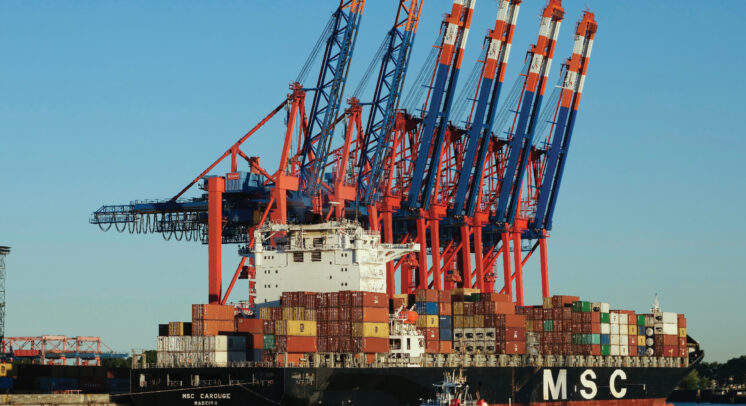
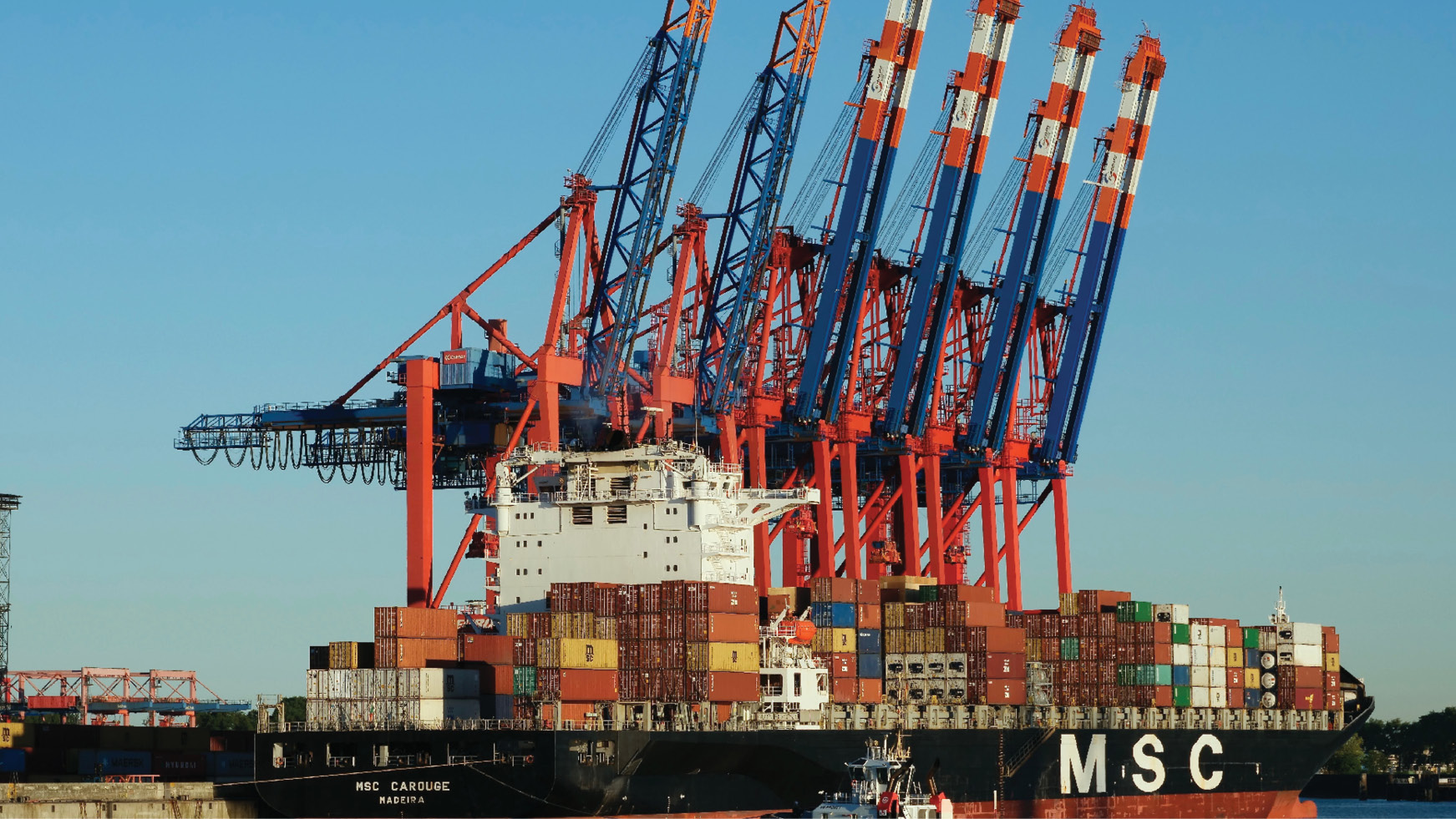
Sea cargo faces more significant challenges, with refrigerated containers operating within tightly planned sailing schedules and requiring consistent electrical power at ports to maintain internal temperatures.
"If vessels are forced to divert away from conflict zones or if sailings are cancelled, containers can accumulate at origin ports while others are redirected to alternate hubs that may not have sufficient power capacity to support large volumes of refrigerated cargo," Blough explained.
Furthermore, empty containers can become trapped in affected regions, unable to return to Asian export hubs where new pharmaceutical shipments are waiting to be loaded.
"This creates a compounding logistics challenge: manufacturers may have product ready to ship but lack the specialised containers required to move it," Blough said.
With the Middle East conflict a few weeks in, air cargo rates from India are reported to have increased significantly as shippers compete for limited space.
"The pharmaceutical sector is particularly sensitive to logistics disruptions because many wholesalers and pharmacies operate with relatively lean inventories of generic medicines," Blough said.
"This just-in-time approach helps manage costs but leaves little buffer when global transport networks are disrupted."
Blough predicted the effects will be felt in Australia in four to six weeks, starting with high-volume generic medicines including treatment for diabetes, hypertension and cholesterol, as well as antibiotics.
"Certain temperature-sensitive therapies, including some oncology treatments, could also face delays if refrigerated transport capacity becomes constrained," Blough said.
"For Australia, the key issue is not necessarily a sudden halt in medicine production, but the vulnerability of the logistics systems that connect manufacturers with global healthcare markets.
"When shipping routes lengthen, containers are delayed, and air freight capacity tightens, medicines can take longer and cost more to reach pharmacies and hospitals," he concluded. KB
The above article was sent to subscribers in Pharmacy Daily's issue from 24 Mar 26
To see the full newsletter, see the embedded issue below or CLICK HERE to download Pharmacy Daily from 24 Mar 26