




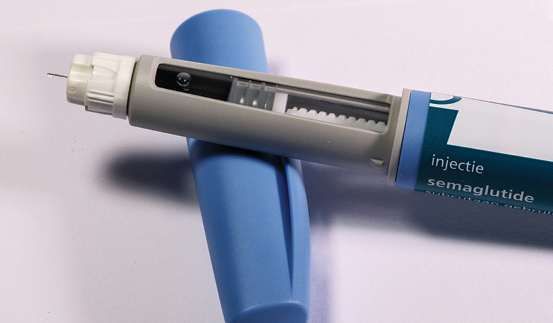
THE enthusiastic uptake of injectable medications for weight loss, including semaglutide, liraglutide and tirzepatide, has raised concerns that some of the side effects - particularly regarding mental health - are being overlooked.
With the Pharmaceutical Benefits Advisory Committee (PBAC) recommending the PBS listing of Wegovy (semaglutide, Novo Nordisk) for weight loss (PD page one), their use is expected to become more widespread and potentially reach a more diverse demographic.
Writing recently in Australian Prescriber, Doctors Natasha Yates and Terri-Lynne South highlighted some of the unintended mental health effects that health professionals should look out for.
By reducing the enjoyment of food, the drugs may lead to changes in a patient's relationship with food and the pleasure eating can provide, and researchers are currently looking into the psychosocial effects this may have on mental health - including exacerbating conditions like depression, suicidal ideation and suicidal action.
A related issue is that it complicates assessment and investigation of appetite loss, and serious illnesses such as infection, cancer or an eating disorder could be missed.
Doctors Yates and South also noted that injectables may be misused by people who do not have, or no longer have, obesity, particularly those with eating disorders.
"Appetite suppression induced by these drugs may lead to self-starving or poor nutritional intake," they wrote.
"The psychological and social pressure to be thin is a powerful driver for some people, particularly in a society that frequently stigmatises obesity."
They cautioned that prescribers need to manage requests for weight-loss drugs from people who do not have obesity in a way that addresses their reasons for requesting them.
"Asking 'What has been your highest weight?' may give helpful insight into patients' histories and mindsets," they suggested.
A further area of concern is the potential mental health impact for those who do not respond to the drugs, with no published research around this, and also what happens after stopping the medication, when weight regain is the norm.
"Obesity is a chronic, multifactorial condition and use of injectable weight-management drugs must be integrated into holistic, multidisciplinary care that prioritises overall health improvements for the individual," they concluded.
Meanwhile, leading breast surgeon Associate Professor Sanjay Warrier has reported that demand for male breast reduction surgery has risen sharply over the past two years, thanks to rapid weight loss from Ozempic and other GLP-1 medications leaving behind loose skin and residual glandular tissue that cannot be fixed with diet or exercise alone.
"This is not a vanity issue," Associate Professor Warrier said.
"Gynecomastia can have a real impact on body image, mental health and quality of life.
"Many men tell me they have lived with embarrassment or discomfort for years before they finally seek help."
He explained the psychological burden can be particularly heavy for men who have recently improved their health and feel the last remaining barrier to confidence is their chest.
Men should seek an assessment from a qualified specialist to determine the cause and appropriate treatment, he concluded. KB
The above article was sent to subscribers in Pharmacy Daily's issue from 06 Jan 26
To see the full newsletter, see the embedded issue below or CLICK HERE to download Pharmacy Daily from 06 Jan 26